22:31 - 19.06.2026
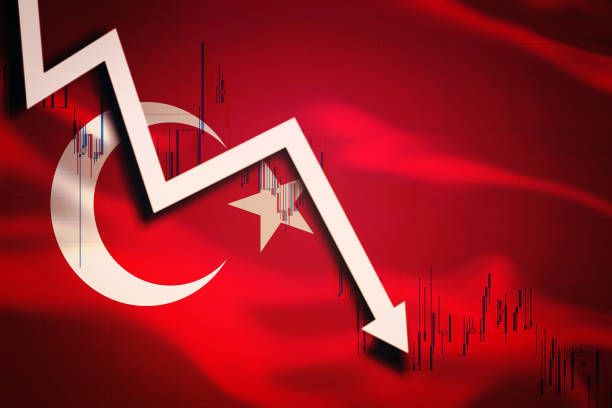
June 19, Fineko/abc.az. The Turkish economy is entering a prolonged phase of substantially lower growth trajectories, and faces elevated risks if global energy corridors destabilize, international research firm Capital Economics warned in its latest macro note.
According to ABC.AZ, inside the June 19 research presentation compiled by Liam Peach, Senior Emeging Markets Economist at Capital Economics, Turkey prints as one of the most exposed accounts globally if the recent US-Iran diplomatic framework guaranteeing safe passage through the Strait of Hormuz unravels.
Core Macroeconomic Parameters of the Report:
Inflation Tracking and CBRT Policy Pivot: Capital Economics expects Turkish headline inflation to resume a downward path starting in the third quarter. However, Peach projects year-end inflation to print at 30%, noticeably stickier than the Central Bank of the Republic of Turkey’s (CBRT) official 26% target. Despite this variance, the firm maintains that this cooling will still provide sufficient cover for the CBRT to restart interest rate cuts late this year.
Elevated Risk Profile vs. Regional Peers: While emerging European accounts managed the recent Iran-related energy supply shock with minimal macro scarring, Turkey remains structurally strained. The preceding energy price spikes severely pressured Turkey’s balance of payments, forcing policymakers into aggressive monetary tightening and burning through foreign currency reserves to buffer the Lira.
The Crisis Contingency: The research desk emphasizes that while current low crude prices provide much-needed fiscal relief to Ankara, the stabilization is fragile. Capital Economics warns that any fresh geopolitical escalation triggering an energy price shock could quickly push the reserve-depleted Turkish economy into a structural balance-of-payments crisis.


17 August 2026
17 August 2026
17 August 2026
17 August 2026