12:35 - 10.08.2026
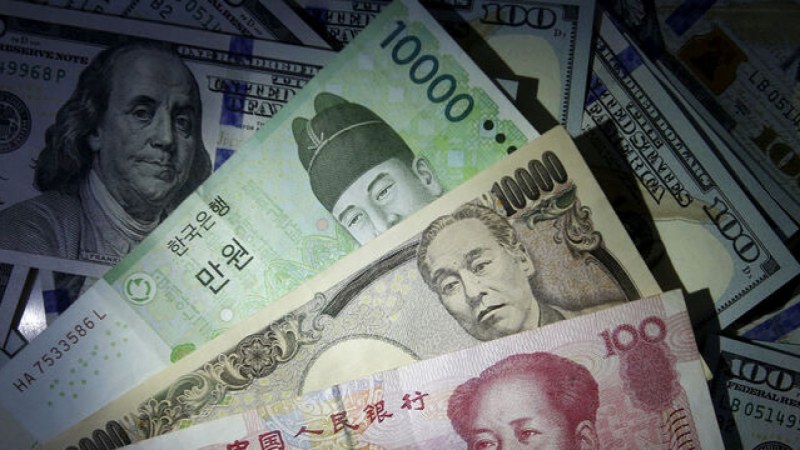
August 10, Fineko/abc.az. Heightened Middle East tensions and expectations of prolonged high U.S. interest rates are prompting central banks across emerging Asia to find new mechanisms to support their local currencies without dipping directly into foreign exchange reserves.
Key Measures Implemented Across the Region:
India: Attracted roughly $40 billion from its diaspora via high-yield dollar deposits, driving a recovery in the rupee from its May record lows.
South Korea: Accelerated the repatriation of corporate dollar holdings, helping the won record its strongest monthly gain since 2022.
Indonesia: Offered incentives to foreign funds, yielding $1.6 billion in bond inflows over the past two months.
Taiwan: Instructed exporters to sell U.S. dollars during periods of local currency weakness.
Oil market volatility underscored Asia's heavy reliance on energy imports. According to Bloomberg tracking 22 emerging market currencies, the Indonesian rupiah, Indian rupee, and Thai baht rank among the five worst performers this year. Conversely, Latin American currencies—led by the Colombian peso, Brazilian real, and Mexican peso—top the performance charts due to higher interest rates and net oil exporter status.





13 August 2026
13 August 2026
13 August 2026
13 August 2026
13 August 2026
13 August 2026
13 August 2026
11 August 2026
11 August 2026