05:05 - 26.06.2026
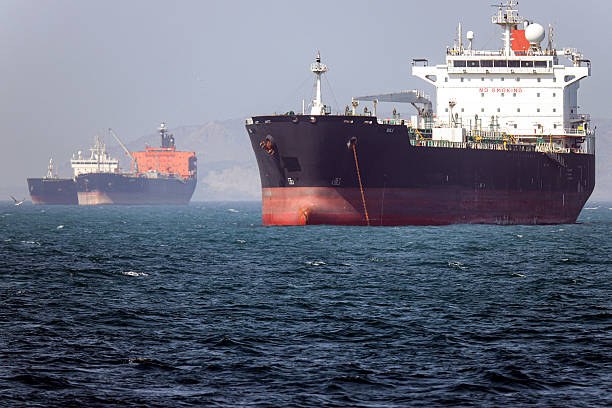
June 26, Fineko/abc.az. The Strait of Hormuz, a critical chokepoint for global seaborne trade, logged its highest single-day commercial maritime traffic since the outbreak of the regional conflict. A total of 70 commercial vessels transited the strait yesterday, printing a post-February 28 high.
According to ABC.AZ, tracking cargo intelligence data from analytics firm Kpler, the corridor averaged 130 ship transits daily before the US-Iran geopolitical conflict erupted on February 28. Following the immediate 90% collapse in traffic over the wartime period, the implementation of the 14-point stabilization accord on June 18 triggered a sharp recovery, forcing daily transit volumes up by over 100%.
Key operational highlights of the corridor recovery:
Crude Outflows: The transit pool included several supertankers departing from the UAE, Saudi Arabia, Iraq, and Iran, carrying an aggregate volume of at least 11 million barrels of crude oil.
First Western Delivery: The Greek-flagged crude carrier "Prudent Warrior," loaded with roughly 1 million barrels of Emirati crude, is currently bound for Greece, marking one of the first major Western energy shipments since the ceasefire.
Diversified Cargo Flows: In addition to oil tankers, yesterday's traffic featured dry bulk carriers, LPG vessels, and specialized freighters transporting grain and fertilizers.
Historically, before the conflict disruptions, the Strait of Hormuz handled approximately 20 million barrels of petroleum fluids per day, consisting of 15 million barrels of crude oil and 5 million barrels of refined products.



12 October 2026
12 October 2026
12 October 2026
12 October 2026
12 October 2026
12 October 2026
12 October 2026
12 October 2026