16:06 - 20.11.2025
November 20, Fineko/abc.az. Starting from next year, individuals employed in the private sector will be subject to income tax.
This is reflected in the Bill on State Budget 2026. Despite the fact that articles related to this law have been published in the press for some time, many people do not fully understand the essence of the issue.
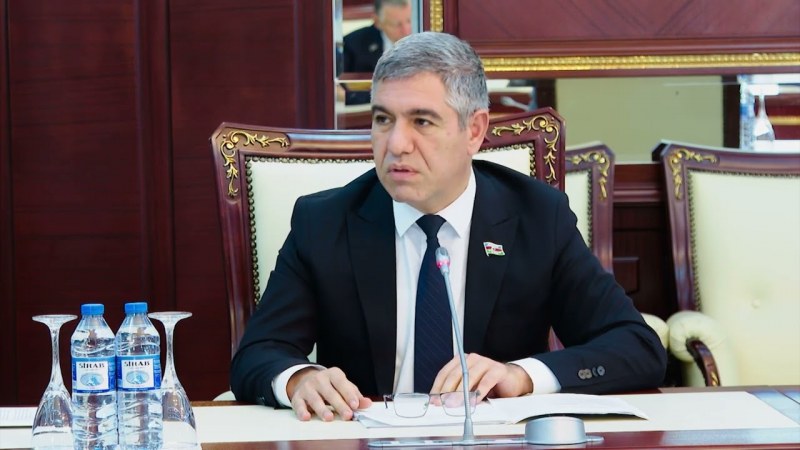
In this regard, we have asked MP Vugar Bayramov for an explanation.
Commenting on this issue for ABC.AZ, the MP said that he had made a proposal in parliament:
"In fact, during the regular discussions on the introduction of income taxes in the private sector, our proposal was that if the grace period is not extended, let a phased transition be introduced. At the first meeting of the Parliamentary Committee on Economic Policy, Industry and Entrepreneurship, I presented proposals in this direction, and practically we are witnessing a phased transition in the draft law. In any case, although the introduction of income tax next 2026 will create certain expenses, it will not create serious and unnecessary costs. That is, approximately 95% of employees with salaries of less than 2,500 manats will be taxed by 3%, those with an average monthly salary of about 1,000 manats will have their salaries reduced by 200 manats, and the remaining 800 manats will be taxed.
In other words, a tax of 24 manats will be charged. This means that a citizen who receives 1,000 manats will pay the next 24 manats in taxes, and in this regard, of course, we also suggest that private sector companies compensate for these costs, since companies can compensate for this cost by increasing wages, and, of course, it is necessary to conduct an assessment in general.
And in general, by the end of 2026, it will be possible to assess how the end of the grace period will affect employment."
By Elmir Murad






29 August 2026
29 August 2026
29 August 2026
28 August 2026
28 August 2026
28 August 2026
28 August 2026