12:29 - 19.10.2026
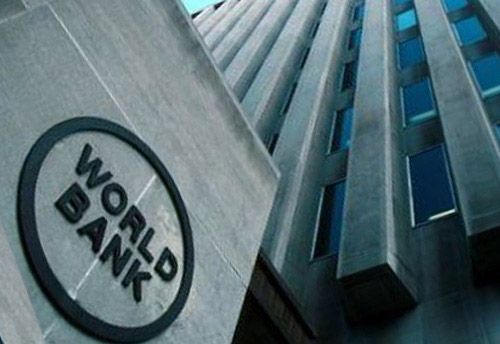
October 19, Fineko/abc.az. The World Bank (WB) plans to allocate $500 million for the implementation of the large-scale Livable Baku project.
The project is expected to cost $591.25 million, including a $500 million contribution from the World Bank and $91.25 million from the Azerbaijani government.
The project appraisal is scheduled to be completed by October 26, 2026, while approval by the World Bank's Board of Directors is expected on February 18, 2027. The financing will be provided through the International Bank for Reconstruction and Development (IBRD), a member of the World Bank Group.
The initiative aims to improve quality of life and strengthen resilience to climate-related threats in Greater Baku and surrounding areas.
The project will finance a coordinated package of capital investments and institutional development measures designed to address the most pressing environmental challenges in Baku's urban environment. It comprises three interconnected investment components and a fourth component dedicated to project management.
The first component, Integrated Solid Waste Management, will support the modernization of solid waste management infrastructure in Baku and the Absheron district. Key investments include the construction and commissioning of sanitary landfills that meet international environmental standards, the establishment of waste transfer stations, and the development of facilities for sorting and recovering recyclable materials. These measures are intended to improve resource recovery and reduce the volume of waste sent to landfills.
The component will also support improvements in waste separation and collection at source, the development of recycling, and the promotion of a circular economy.
The second component, Remediation of Polluted Lakes and Areas, is the largest part of the project. It focuses on the environmental rehabilitation of natural water bodies and oil-contaminated land.
Funding will be allocated to restore three priority lakes — Zigh, Khojasan and the western part of Boyuk Shor — which have been affected by industrial and household pollution for decades.
The component will also support the remediation of selected oil-contaminated sites in Greater Baku. The restoration of these areas is expected to deliver significant environmental benefits by expanding green spaces and making land available for urban development.
The third component, Institutional Strengthening, aims to enhance the capacity of government institutions to plan, manage and maintain an environmentally sustainable and resilient urban environment.
Key measures include strengthening integrated urban planning and management, developing and implementing land management systems, and supporting reforms in the solid waste management sector. These reforms will cover regulatory frameworks, tariff regulation and improvements to the legal framework.
The fourth component, Project Management, Monitoring and Evaluation, will cover the operating costs of the Project Implementation Unit, including procurement, financial management, compliance with environmental and social standards, monitoring and evaluation, and project communications.
It will also support the development of a monitoring and evaluation system, including the collection of baseline data and the establishment of mechanisms for reporting on project results.


19 October 2026
19 October 2026
19 October 2026
19 October 2026
19 October 2026
19 October 2026
19 October 2026
19 October 2026
19 October 2026
19 October 2026
19 October 2026
19 October 2026
19 October 2026
19 October 2026
19 October 2026